Why study history?
The study of history begins with questions, not answers. We seek to know what happened in the past, and we also seek to understand why.
As our present-day context raises new challenges for our communities, historians are inspired to ask new questions about the past, seeking understanding of a broad variety of human experiences. Historians explore questions about past politics and economics, intellectual developments, social concerns shaped by race, gender and class, and facets of culture ranging from arts and languages to human spaces and emotions. As a result, the study of history is dynamic, rather than static, and those trained in this discipline develop valuable skills in gathering, evaluating, connecting and interpreting factual information, and in the use of evidence to argue persuasively for their conclusions.
Learn more about what historians do and why employers value these skills.
News

Aug. 25, 2026
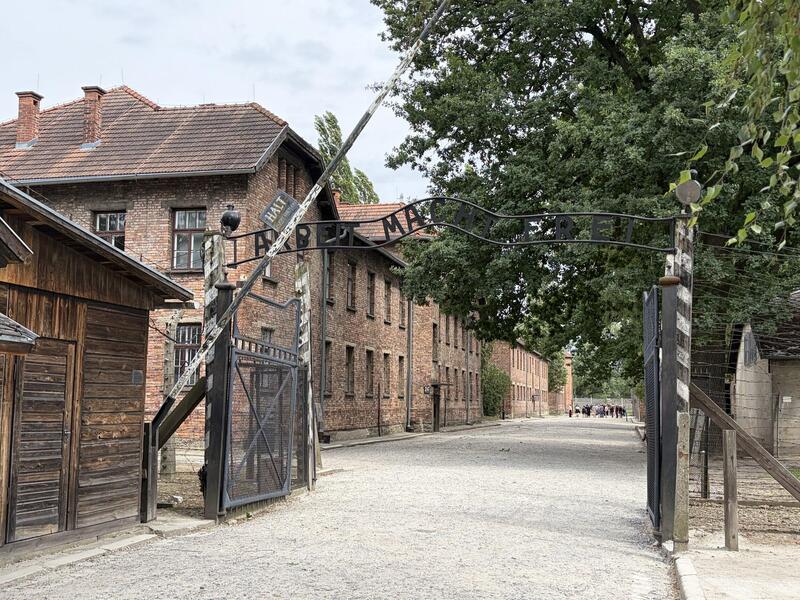
Michael Farfan explores history in the heart of inhumanity at Auschwitz-Birkenau
The VCU senior embraced his summer internship at the Holocaust memorial and museum in Poland.
Aug. 20, 2026
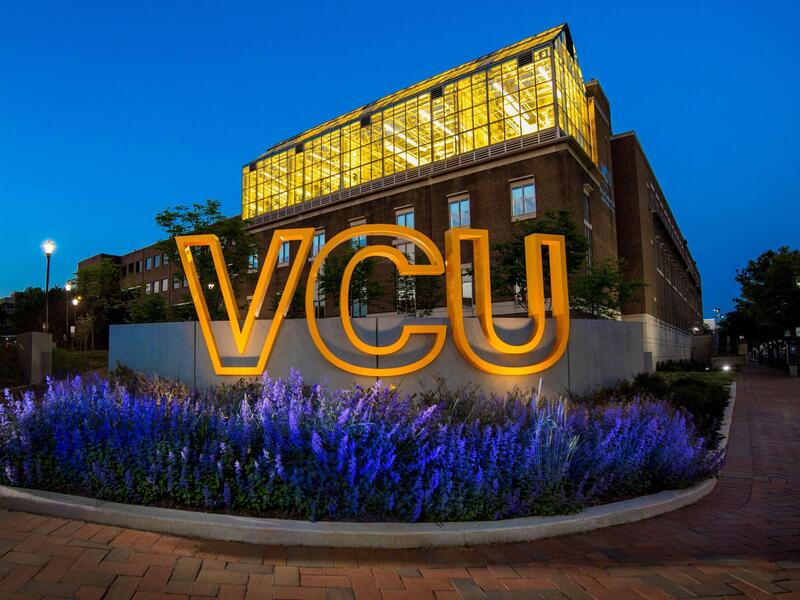
Nearly 50 VCU faculty honored for their research and teaching
The 2026 NIRA and PEIA awardees elevate VCU’s reputation and the student learning experience.
History Spotlight

Meet Heldana
Heldana Fufa knows that being a history student opens your mind. Visit our 'Meet a Student' page to read more about why this this native of Ethiopia selected VCU, and what she plans to do with her bachelor's degree in history.
